Book your appointment now
Book an appointment
-p-1600.jpg)


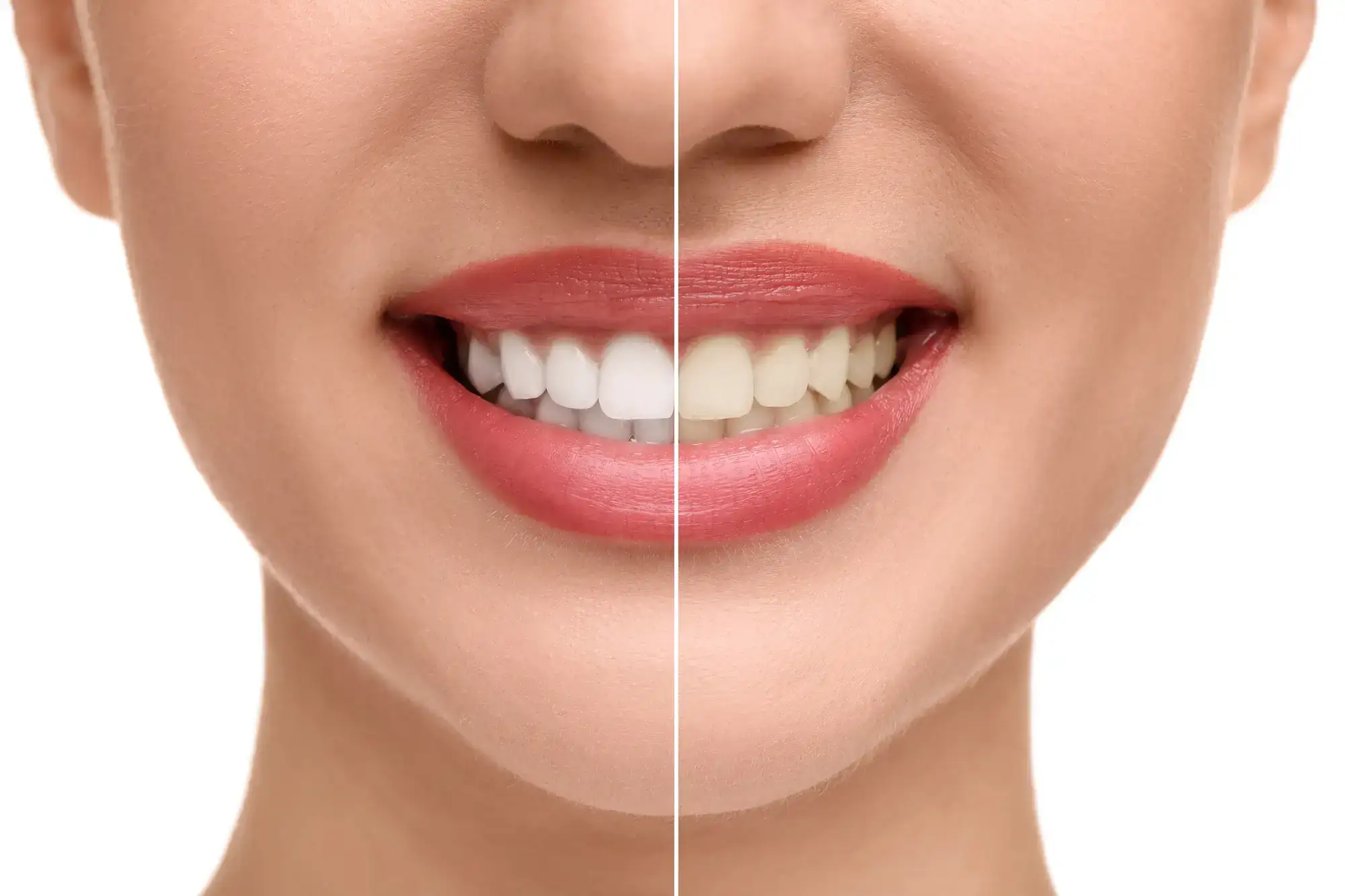
Professional teeth whitening can brighten a smile, but results can vary depending on several factors, making teeth whitening in Bradenton, FL, a treatment that benefits from individualized evaluation. The type of discoloration, enamel condition, oral health, and daily habits can all influence the final appearance.
Understanding these factors can help establish realistic expectations before treatment begins.
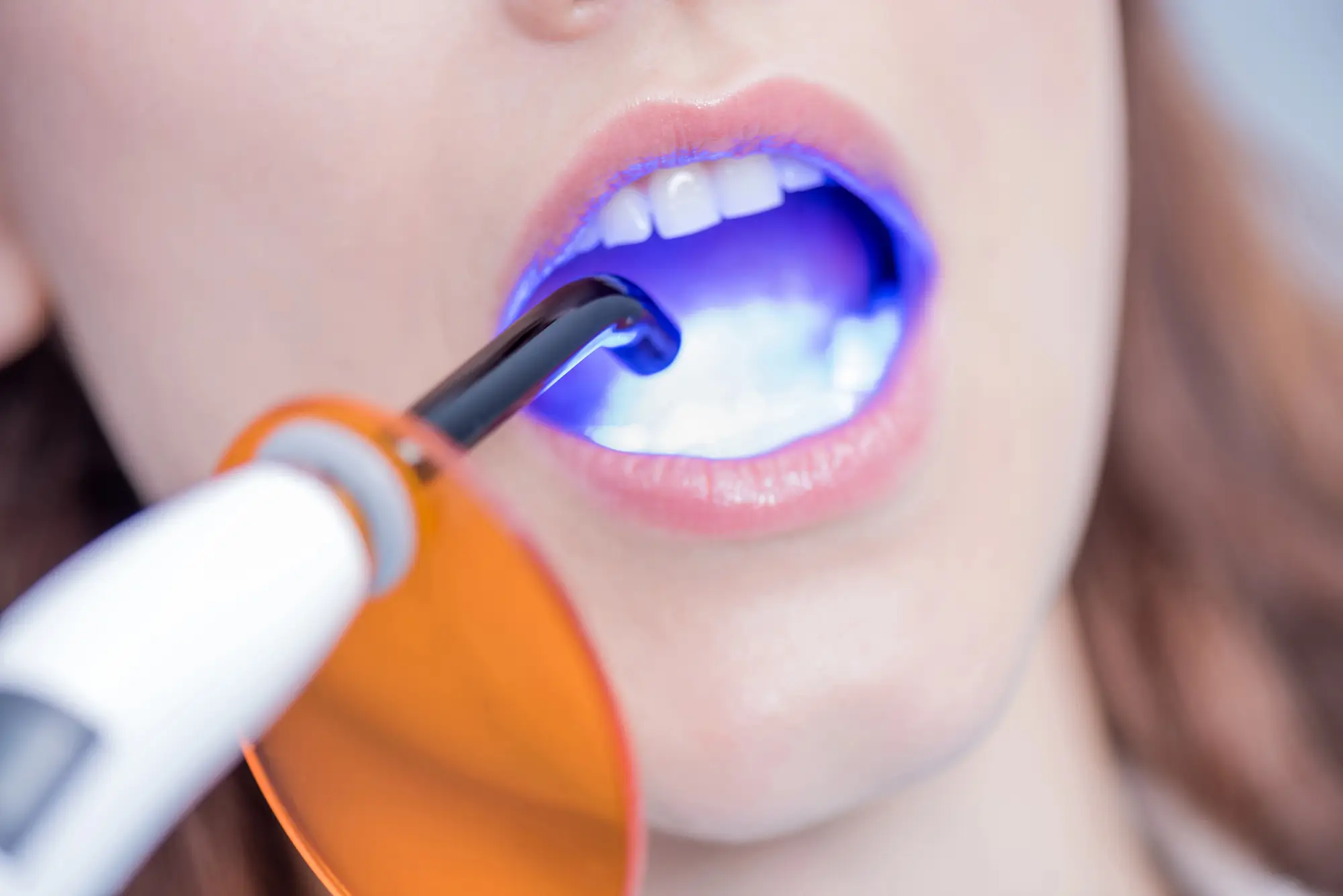
What Affects Teeth Whitening Results?
Several variables come into play once treatment begins, from the nature of the staining itself to the condition of the tooth underneath it. Here's a closer look at the factors that matter most.
1. The Type of Staining Present Determines Treatment Success
Not all tooth discoloration develops in the same way, and the source of a stain can influence how well whitening treatment responds. Surface stains often develop from foods, beverages, or tobacco exposure, while deeper discoloration can develop within the tooth itself.
Whitening information explains that different types of discoloration may respond differently to whitening treatments.
2. The Condition of Your Enamel Matters During Whitening Treatments
Enamel is the hard outer layer of a tooth, and its condition can affect the appearance of the underlying dentin. Thinning enamel may allow more of the naturally yellowish dentin color to show through, which can limit how dramatically a smile appears to brighten.
3. Existing Dental Work is Resistant to Teeth Whitening Treatments
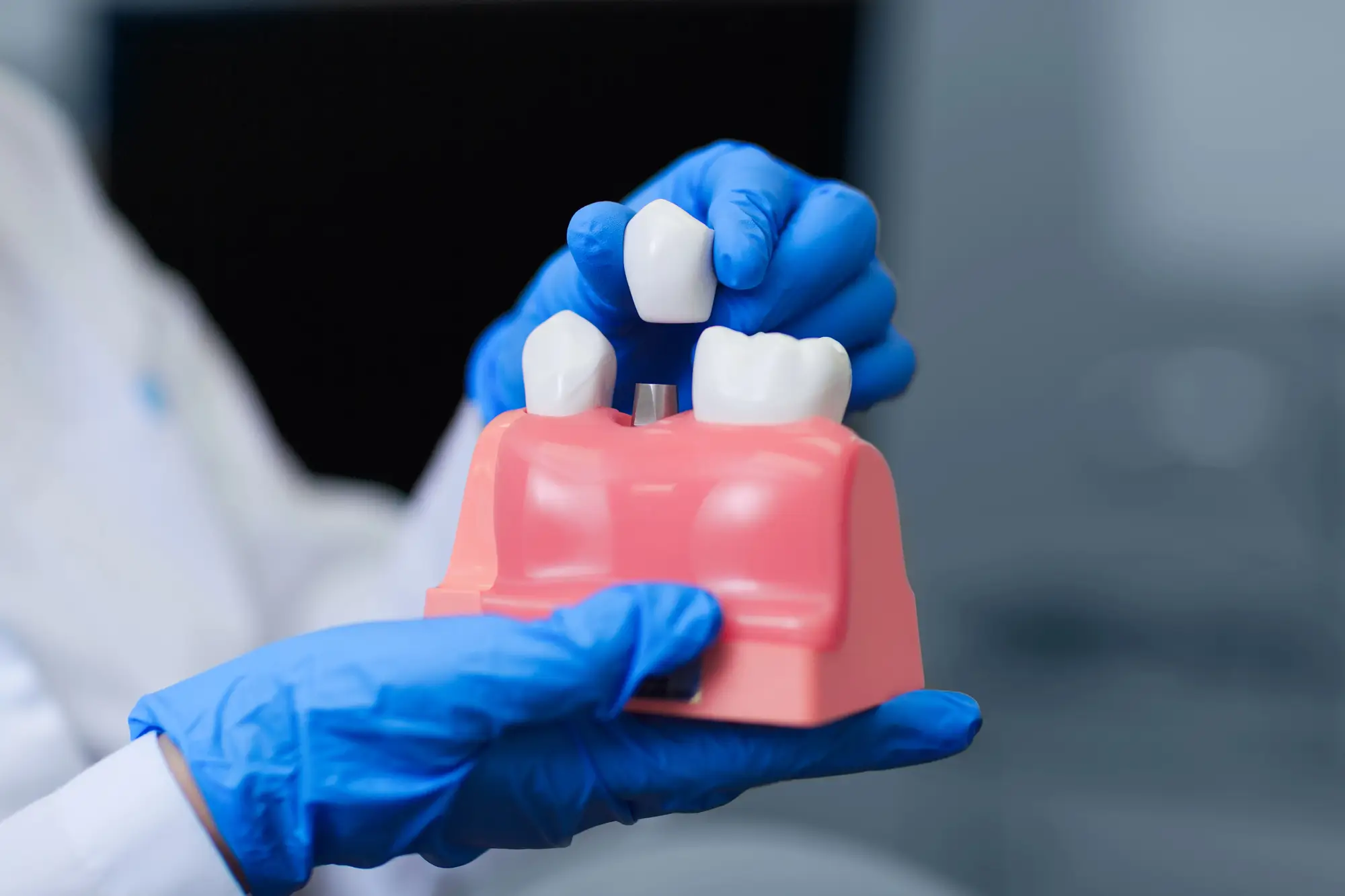
Whitening products are designed to change the color of natural tooth structure rather than restorations. Crowns, bridges, fillings, and veneers may not change color in the same way as natural teeth, which makes an evaluation important when multiple types of dental materials are visible in a smile.
A dental professional may review existing restorations before treatment and determine whether whitening is appropriate or whether another cosmetic approach would provide a more uniform result. Options such as cosmetic dentistry can address situations in which discoloration cannot be corrected through whitening alone.
4. Certain Food and Beverage Habits Will Shorten Your Results
Certain foods and beverages contain pigments that can contribute to surface discoloration over time. Coffee, tea, red wine, dark sauces, and other strongly pigmented foods are common examples that can gradually affect tooth color.
After whitening, moderation and consistent oral hygiene can help preserve a brighter appearance. Good oral hygiene also supports overall dental health, which is an important foundation for cosmetic treatment.
5. Your Oral Health Can Influence Teeth Whitening Results
Teeth whitening is generally a cosmetic treatment, but untreated dental problems can affect whether whitening should be performed immediately. Cavities, gum inflammation, damaged teeth, or other concerns may need attention before cosmetic treatment is considered.
Routine dental care can help identify these issues through examinations and professional cleanings. When restorative needs are present, treatments such as restorative dentistry may take priority before whitening is performed.
What Can Help Maintain a Brighter Smile?
Learn How to Reduce Staining After Your Whitening Treatment
Daily habits can influence how long a brighter appearance lasts, particularly when repeated exposure to highly pigmented foods and beverages contributes to new surface stains. Regular brushing, flossing, professional cleanings, and moderation of staining substances can support a cleaner-looking smile.
A few practical habits include:
- Brushing twice daily with fluoride toothpaste
- Cleaning between the teeth regularly
- Maintaining routine professional cleanings
- Limiting frequent exposure to strongly pigmented foods and drinks
- Following professional recommendations after whitening
Does Whitening Work the Same for Everyone?
No two smiles respond in exactly the same way because tooth color, enamel characteristics, staining patterns, restorations, and oral health can differ. Results also depend on the whitening method and the underlying cause of discoloration.
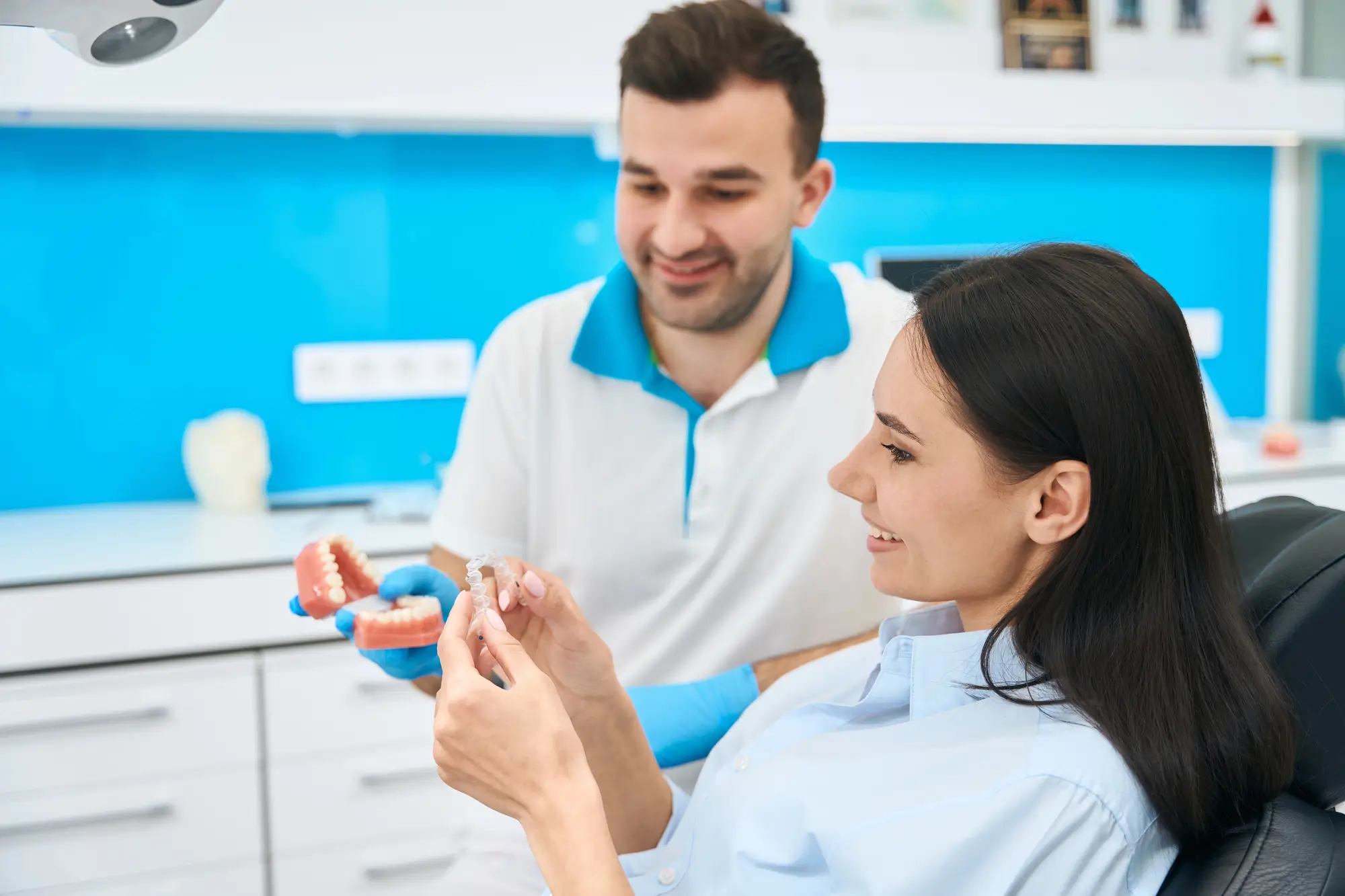
Research on teeth whitening methods notes that professional and at-home approaches can differ in strength, application, and expected results. An individualized evaluation can help determine which approach is appropriate for a particular smile.

How Should Whitening Expectations Be Set?
Ask Yourself if a Dramatically White Smile is Realistic in Your Case
Natural teeth have a range of shades, and whitening does not necessarily produce the same result for every person. The starting shade and cause of discoloration are important when estimating how much improvement may be possible.
Can Whitening Replace Other Cosmetic Treatments?
Whitening is most useful when natural teeth are discolored, but it is otherwise suitable for the treatment. When shape, size, spacing, structural damage, or restoration color also affect the appearance of a smile, other cosmetic treatments may be considered.
Veneers, for example, can address certain cosmetic concerns that whitening cannot change because they alter the visible surface of a tooth. A comprehensive evaluation can help distinguish between discoloration that may respond to whitening and concerns that require a different approach.
Frequently Asked Questions About Whitening Results
Why do some teeth whiten more than others?
Differences in tooth structure, previous dental work, staining, and natural tooth color can cause uneven responses. A dental evaluation can help identify factors that may affect the expected outcome.
Can whitening remove every stain?
No. Whitening may be less effective against certain intrinsic discolorations or changes associated with dental restorations. The cause and location of the discoloration are important when determining whether whitening is likely to help.
How often can teeth be whitened?
The appropriate frequency depends on the whitening method, individual dental conditions, and professional recommendations. Repeated treatment without appropriate guidance may increase sensitivity or cause other unwanted effects.
Is tooth sensitivity common after whitening?
Some temporary sensitivity can occur after whitening, especially when teeth are already sensitive or when the enamel is worn. A dental professional can review these concerns before treatment and recommend steps that may help reduce discomfort.
How long do whitening results usually last?
The length of time results remain noticeable can vary based on oral hygiene, diet, tobacco use, and routine dental care. Avoiding frequent exposure to staining substances and maintaining professional cleanings can help support a brighter appearance.
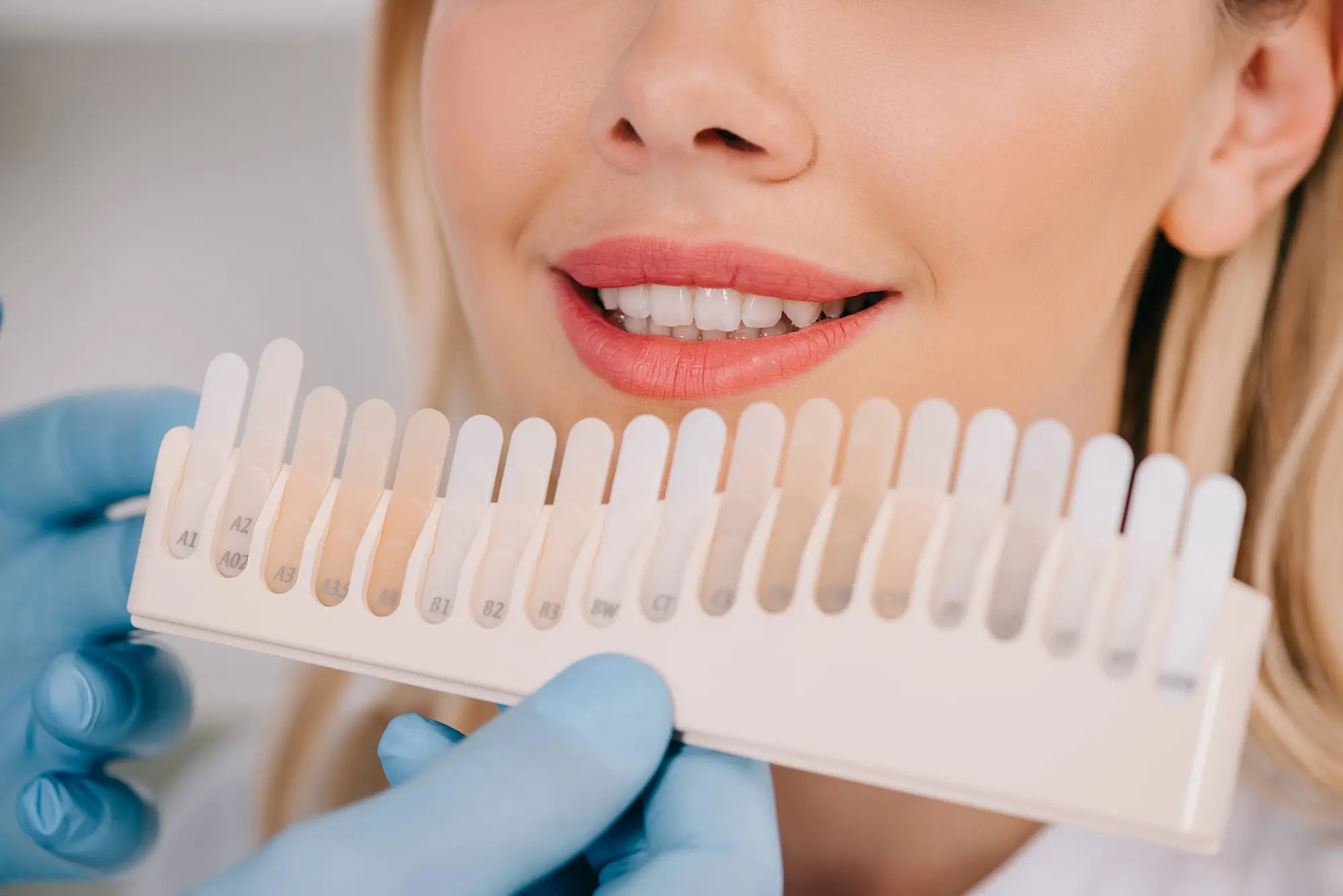
Ready to Explore Teeth Whitening in Bradenton, FL?
Dental Experts of Florida in Bradenton can evaluate existing discoloration, oral health, and cosmetic goals before recommending an appropriate whitening approach. For professional guidance and a personalized treatment plan, schedule an appointment with our dental team today. We’re happy to discuss teeth whitening options!