Brighter Smile, Smarter Choices: Answers to Common Whitening Questions
Is whitening safe? Will it cause sensitivity? Get clear answers about professional teeth whitening in Clearwater, FL. Book a consultation today!




A brighter smile is one of the most requested cosmetic upgrades, and professional whitening treatment remains a popular way to get there. For anyone considering teeth whitening in Clearwater, FL, clear answers make it easier to choose with confidence.
Questions about safety, sensitivity, and results are completely normal. Here are clear answers to the ones patients ask most often.

Safety and Comfort Questions
Is professional teeth whitening safe?
When used correctly, whitening is considered safe for most adults with healthy teeth and gums. The American Dental Association notes on MouthHealthy that overusing whiteners can damage enamel or gums, which is why following directions and talking to a dentist first matters.
Professional treatment adds an extra layer of protection. A dentist checks oral health beforehand, shields the gums during application, and monitors progress along the way.
How does whitening actually work?
Most whitening products rely on either hydrogen peroxide or carbamide peroxide. According to the ADA's whitening overview, these ingredients penetrate the tooth and break apart colored compounds that cause discoloration.
Carbamide peroxide releases about one-third of its content as hydrogen peroxide. That is one reason different products work at different speeds and strengths.
Will whitening make teeth sensitive?
Some sensitivity is common, but it is usually mild and short-lived. The ADA reports that temporary sensitivity can affect up to two-thirds of users during the early stages of bleaching.
With trays or strips, sensitivity often appears within two to three days and typically resolves soon after treatment ends. A dentist can adjust the plan, shorten wear time, or recommend a desensitizing toothpaste to keep patients comfortable.
Questions About Results
Which stains respond best to whitening?
Surface stains, also called extrinsic stains, usually respond best. The Cleveland Clinic explains that this type of tooth discoloration often comes from food and drinks and affects the outer enamel.
Deeper intrinsic stains start inside the tooth and are harder to change. For these cases, a dentist may suggest cosmetic alternatives such as porcelain veneers for a more dramatic transformation.
Will crowns, veneers, or fillings change color?
No, whitening only affects natural tooth structure. Crowns, veneers, bonding, and tooth-colored fillings keep their original shade, even as surrounding teeth brighten.
That is why a thorough evaluation comes first. If older restorations on front teeth no longer match after whitening, a dentist can discuss replacing those fillings or crowns to blend with the new shade.
How white can teeth get?
Every smile has its own natural limit, and the goal is a bright shade that still looks natural. A dentist can use a shade guide before treatment to set realistic expectations.
How long do whitening results last?
Results vary from person to person. Daily habits play a major role, especially coffee, tea, red wine, and tobacco use.
Good oral hygiene and routine exams and cleanings help remove new surface stains before they build up. Many patients also use occasional touch-up treatments, as recommended by their dentist, to keep their smile bright.
Questions About Treatment Options
What is the difference between in-office and take-home whitening?
Dental Experts of Florida offers both options, and each has its own advantages. The best fit depends on schedule, budget, and how quickly results are needed.
Here is how the two compare:
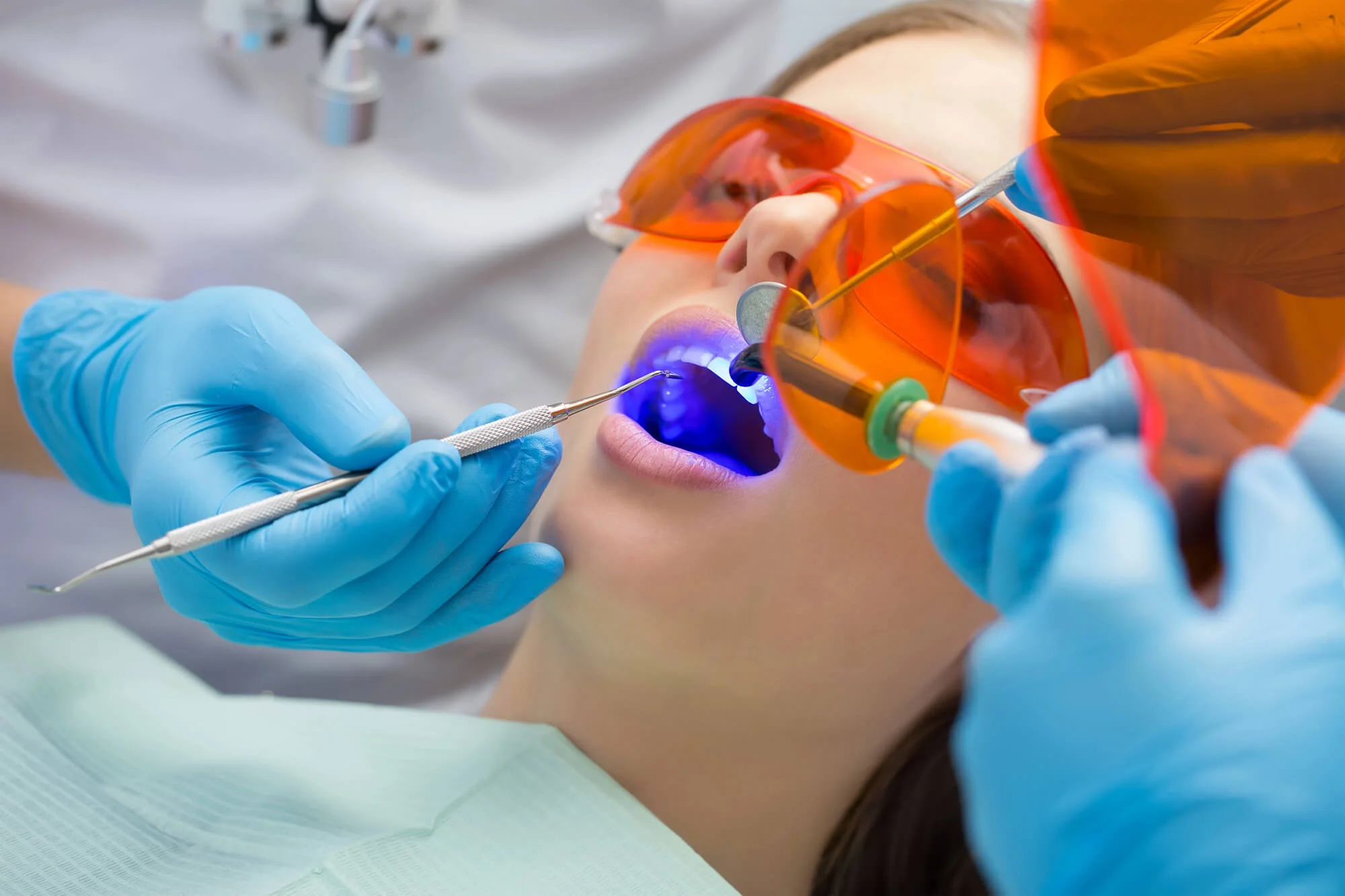
- In-office whitening: Concentrated whitening agents are applied under professional supervision, and results are often visible after a single visit
- Take-home whitening: Custom-fitted trays and professional-grade gel allow patients to whiten gradually over a few days to a few weeks
- Combination approach: Some patients start in the office and then use take-home trays for future touch-ups
Custom trays fit far more precisely than one-size-fits-all products. That snug fit keeps the gel on the teeth and away from the gums.
Whitening also pairs well with other care. Because Dental Experts of Florida offers a full range of dental services, patients can address cleanings, restorations, and cosmetic goals with one team.
How long does whitening treatment take?
According to the Cleveland Clinic, in-office bleaching takes about one hour to complete. Most take-home treatments involve 30- to 60-minute daily sessions for up to six weeks, depending on the product and desired shade.
Who should talk to a dentist before whitening?
Everyone benefits from a dental checkup before whitening, but it is especially important for certain groups. These include people with:
- Cavities or worn enamel
- Gum disease or receding gums
- Crowns, veneers, or fillings on visible teeth
- Existing tooth sensitivity
Age is another consideration. The ADA notes that the American Academy of Pediatric Dentistry discourages full-arch cosmetic bleaching for children and adolescents.
Treating cavities and gum problems before whitening helps prevent discomfort. It also ensures the results look even and natural.
Frequently Asked Questions About Keeping Teeth White
Is whitening toothpaste enough?
Whitening toothpaste can help remove light surface stains, but it does not change the natural shade of teeth the way professional treatment does. The ADA recommends choosing toothpastes with the ADA Seal of Acceptance for stain removal.
How often can teeth be whitened?
There is no single schedule that fits everyone. A dentist can recommend safe touch-up timing based on each patient's enamel, sensitivity, and goals.
What should be avoided right after whitening?
Teeth can be more prone to staining immediately after treatment. Many dentists suggest limiting dark drinks, tomato sauces, and tobacco for the first day or two.
Simple habits make a difference over time. Drinking through a straw and rinsing with water after meals help protect the new shade.
Should teeth be cleaned before whitening?
A professional cleaning before whitening removes plaque and tartar that can block the gel. This helps the whitening agent reach the enamel evenly for more consistent results.
Does whitening work on gray or brown discoloration?
Gray or brown shades, which can come from medications or trauma, may respond more slowly. A dental exam helps determine whether whitening, veneers, or another approach will deliver the best result.

Schedule Teeth Whitening in Clearwater, FL
Ready to see how bright your smile can be? Our team at Dental Experts of Florida would love to help you choose the right option, so contact our office today to schedule a consultation for teeth whitening in Clearwater, FL.