Book your appointment now
Book an appointment
-p-1600.jpg)


A comprehensive dental evaluation can help determine whether dental implants in Bradenton, FL, are appropriate for replacing missing teeth. General dentistry can address oral health concerns that may affect treatment.
Implant candidacy depends on several factors, including jawbone health, gum condition, overall health, and the cause of tooth loss. Understanding these considerations can make the treatment-planning process easier to follow.

What Factors Determine Dental Implant Candidacy?
Adequate jawbone density is important because a dental implant is surgically placed within the jawbone and relies on sufficient support to remain secure. Following placement, the implant undergoes a healing process in which it gradually integrates with the surrounding bone to create a stable foundation for a replacement tooth.
Bone loss can occur as a result of missing teeth, gum disease, injury, or other oral health conditions. When insufficient bone is present, additional procedures such as bone grafting may sometimes be considered to help improve the foundation before implant placement is performed.
Your Gum Health Can Affect Candidacy
Healthy gums provide an important foundation for successful implant treatment. In contrast, active or untreated gum disease can interfere with the supporting tissues around an implant. A thorough dental examination can help identify inflammation, infection, decay, or other concerns that may need attention first.
Your Age Can Determine Eligibility
Age alone does not automatically rule out dental implants, although jaw development must be complete before placement. There is generally no upper age limit, with bone health and overall oral conditions playing a more important role in determining candidacy.
Your Overall Health Matters
Certain medical conditions and lifestyle factors can influence healing and the long-term success of dental implants. Reviewing medical history, current medications, and general health status helps determine whether any additional precautions or treatment planning considerations may be necessary.
Can Smokers Qualify for Dental Implants?
Smoking does not automatically prevent someone from receiving dental implants. However, it can affect healing and increase the risk of implant-related complications. A dental evaluation can help assess individual circumstances and discuss steps that may support a more favorable treatment outcome.
What Health Conditions Can Affect Treatment?
Certain health conditions can influence healing or increase the risk of complications, so a complete medical history is an important part of implant planning. Conditions such as unmanaged diabetes, some bone disorders, autoimmune diseases, and other health concerns may require additional evaluation.
How Smoking Can Affect Implant Healing
Smoking and vaping can interfere with the healing process following implant surgery. Because successful treatment depends on the jawbone integrating with the implant, tobacco exposure is an important consideration during the evaluation.
What Happens If Implants Are Not Immediately Appropriate?
Implant treatment does not have to be an immediate decision when other oral health concerns are present. Depending on the circumstances, alternatives such as full or partial dentures or restorative treatment may be considered while underlying issues are addressed.
What Happens During an Implant Evaluation?
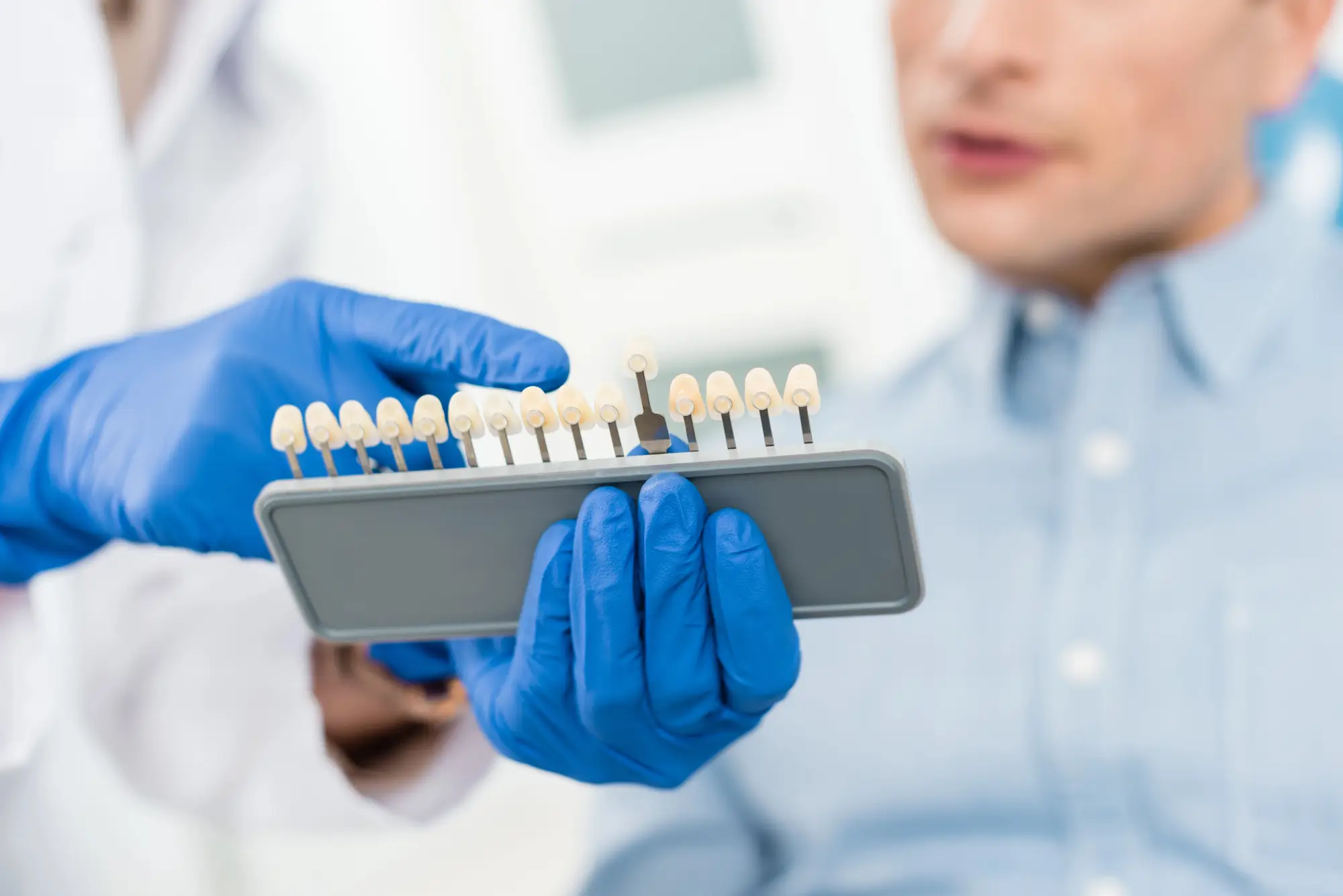
An implant consultation typically involves reviewing oral health, examining the teeth and gums, and assessing the available jawbone. Treatment planning may also consider the number and location of missing teeth, existing restorations, and the type of replacement needed.
Why Individualized Planning is Important
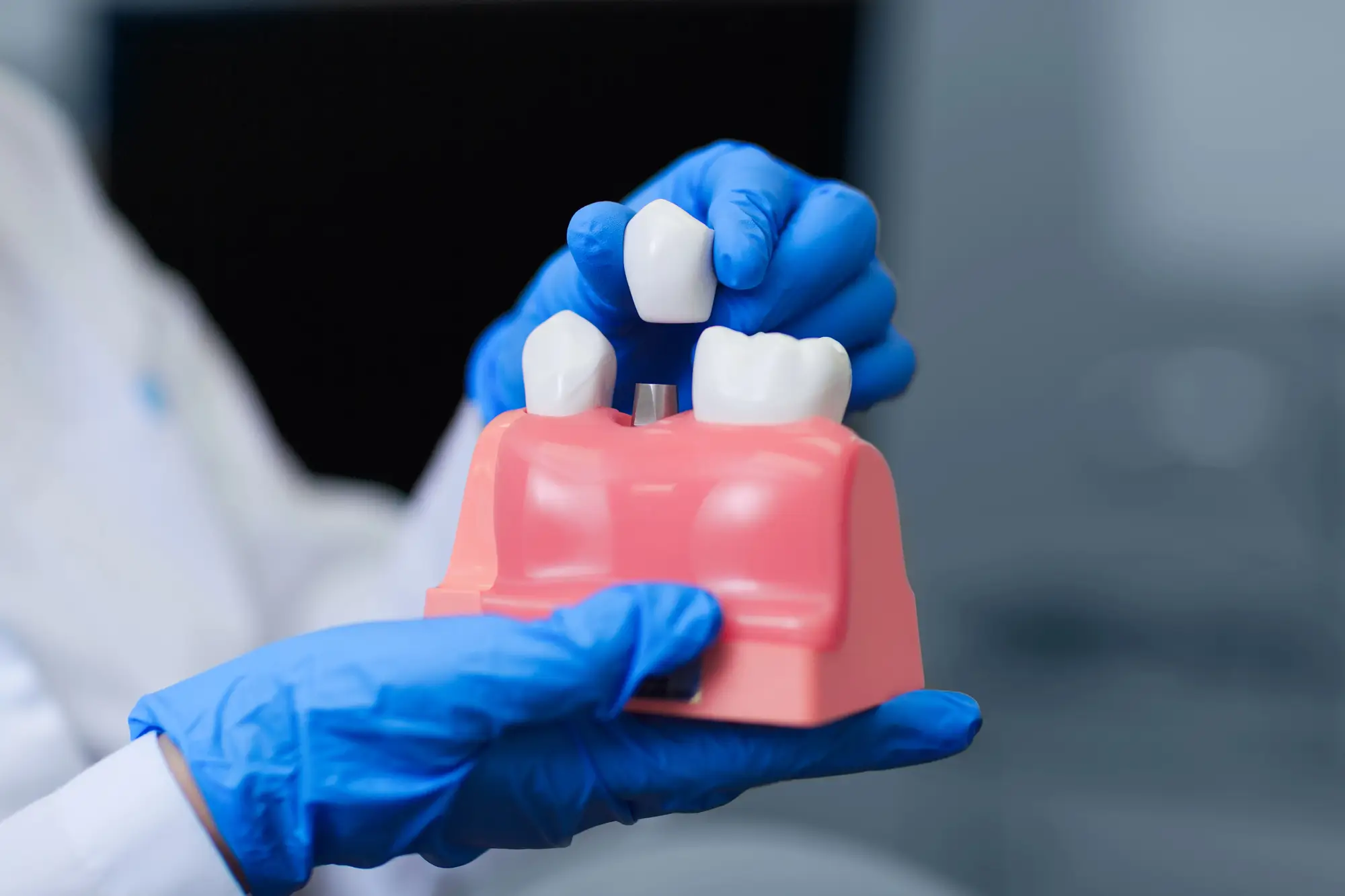
Dental implants can replace a single missing tooth, several teeth, or an entire arch, so treatment plans vary considerably. The implant itself replaces the missing tooth root and can support a crown, bridge, or implant-supported denture.
A complete evaluation may focus on:
- Jawbone quantity and quality
- Gum and periodontal health
- Existing tooth decay or infection
- Overall medical history
- Oral hygiene habits
- Number and location of missing teeth
- Appropriate restoration options
How Long Does Implant Treatment Take?
Implant treatment can involve several stages rather than a single appointment. After placement, the jawbone needs time to integrate with the implant, a process called osseointegration that can take several months before the final restoration is attached.
The American Dental Association continues to publish research and professional developments related to implantology, including implant surgery, planning, and emerging treatment technologies. Current implantology research can provide additional context about developments in this area.
Frequently Asked Questions About Dental Implant Candidacy
Can one missing tooth be replaced with an implant?
Yes, a single implant can support an individual crown and replace the missing tooth without requiring adjacent teeth to serve as the foundation. The appropriate approach depends on the condition of the surrounding teeth, gums, and jawbone.
Can several missing teeth be replaced?
Multiple missing teeth can be restored using different implant-supported approaches, including bridges and full-arch restorations. The number and placement of implants depend on the specific pattern of tooth loss and the available supporting structures.
Are implants permanent?
Dental implants are designed as a long-term tooth replacement option, and proper oral hygiene and regular dental visits can support their longevity. However, the crown, bridge, or denture attached to an implant may eventually require replacement due to normal wear.
What if bone loss is present?
Insufficient jawbone does not necessarily mean implant treatment is impossible. In some cases, bone grafting or another preparatory procedure may be considered to create a more suitable foundation for implant placement.
How long does the dental implant process take?
The dental implant timeline varies depending on individual circumstances, including oral health, bone quality, and whether preparatory procedures are needed. While some cases may be completed in a shorter timeframe, others can require several months to allow for proper healing and integration of the implant with the jawbone.
Does getting a dental implant hurt?
Dental implant placement is typically performed using local anesthesia to help keep patients comfortable during the procedure. Some mild soreness, swelling, or discomfort may occur afterward. However, these effects are generally temporary and can often be managed with post-treatment care recommendations provided by the dental team.

Are You Ready to Explore Dental Implants in Bradenton, FL?
Dental Experts of Florida in Bradenton can help determine whether dental implants in Bradenton, FL, are an appropriate option based on individual oral health and treatment needs.
Schedule a consultation to discuss tooth replacement options and take the next step toward a restored smile.